05 · The Story
The past is still here.
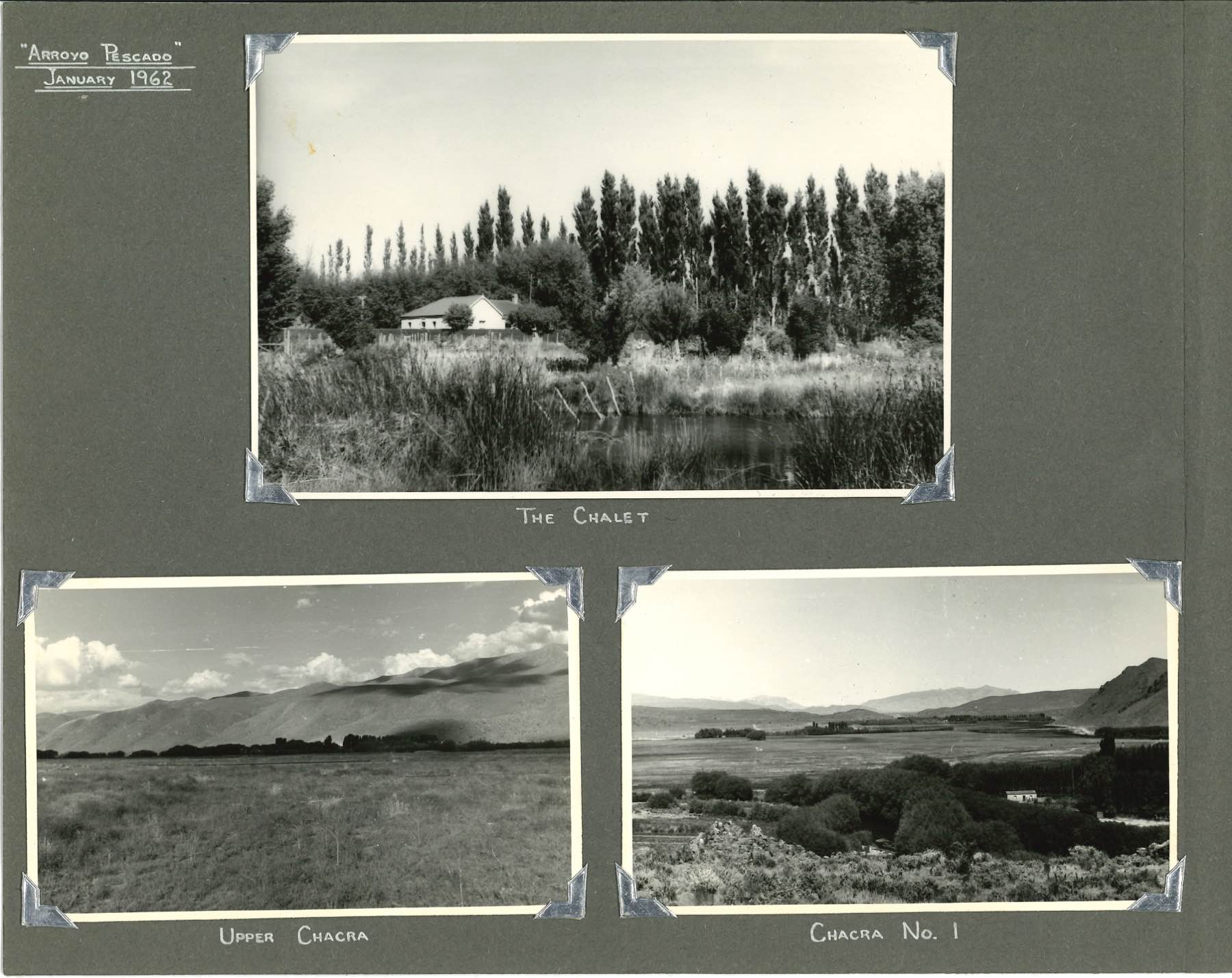
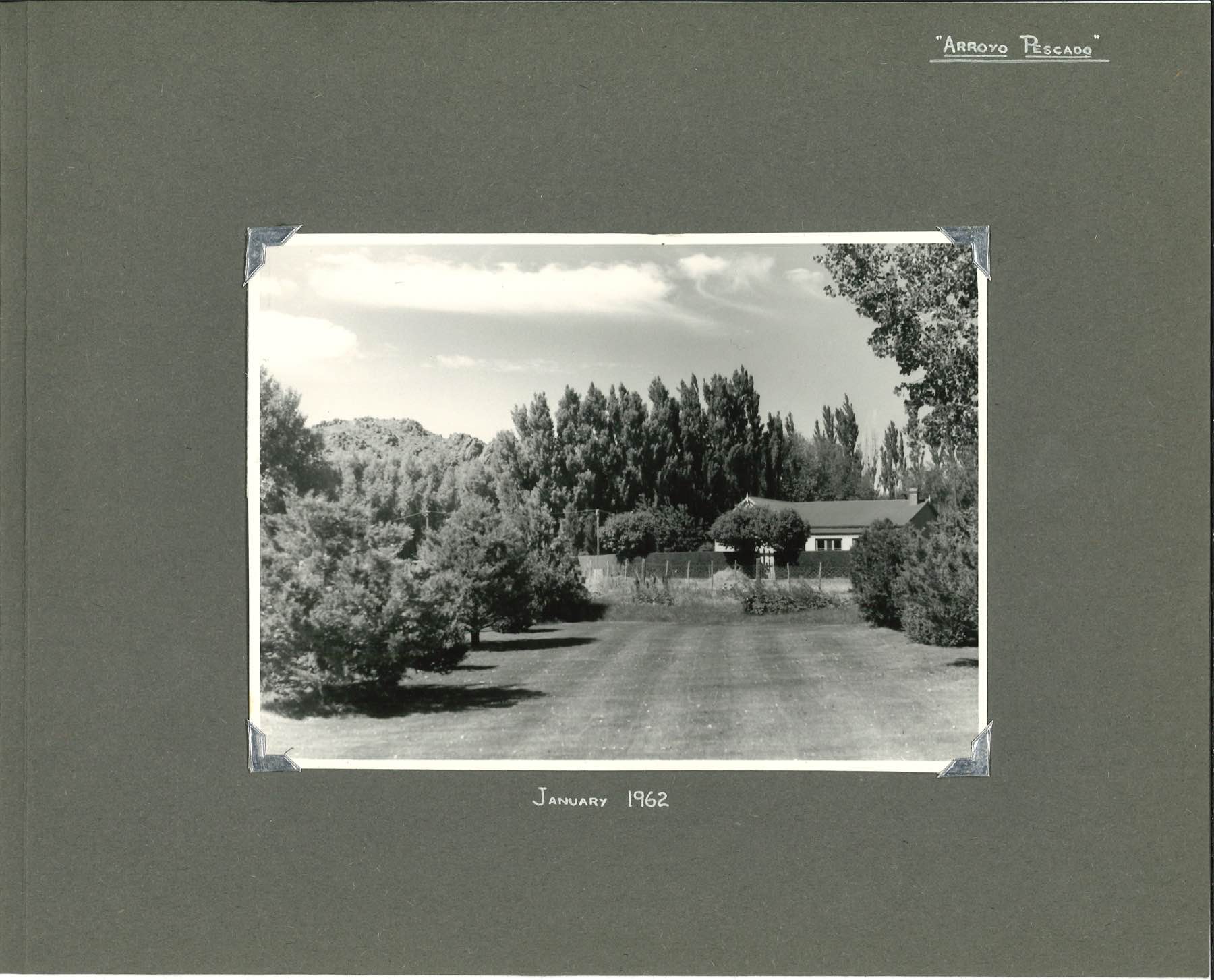
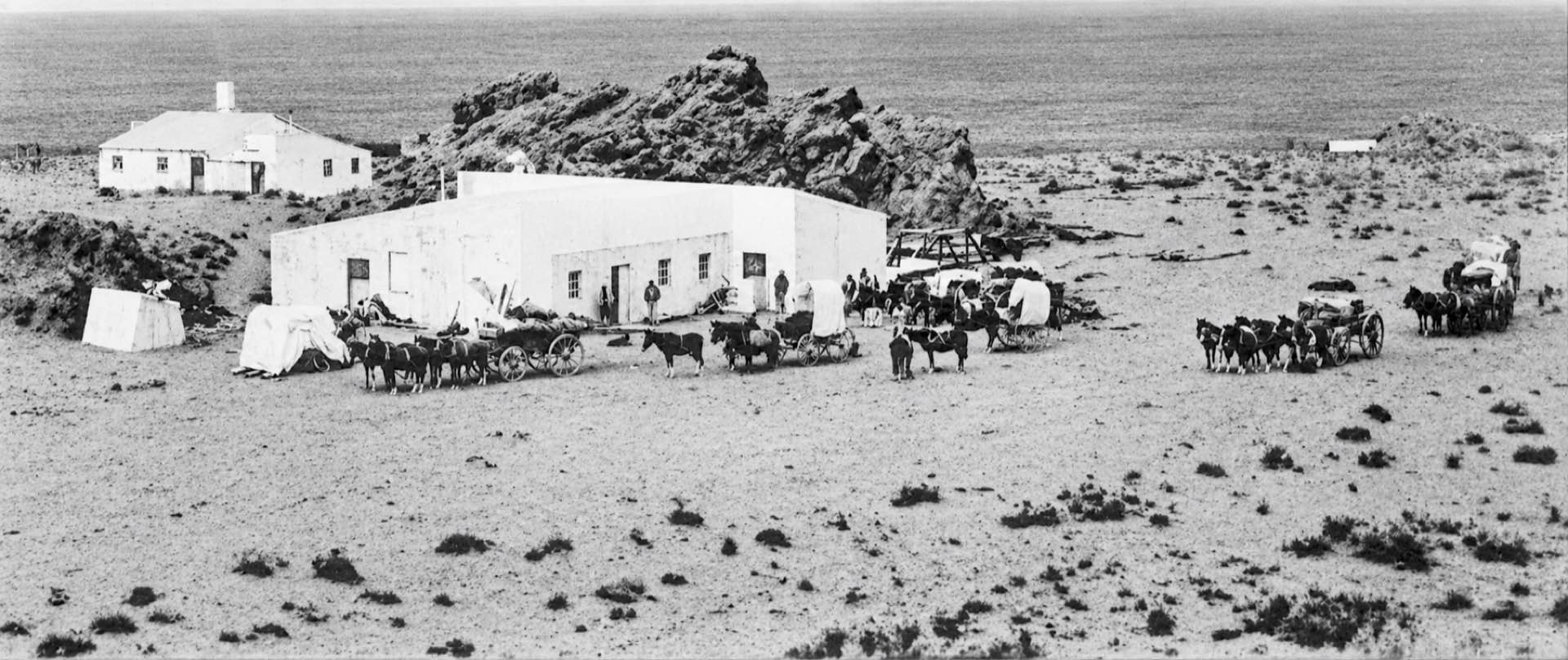
More than a century ago, Welsh engineer Llwyd ap Iwan lived at Arroyo Pescado with his family, building a life and a lasting Welsh heritage in a part of Patagonia that was still a true frontier.
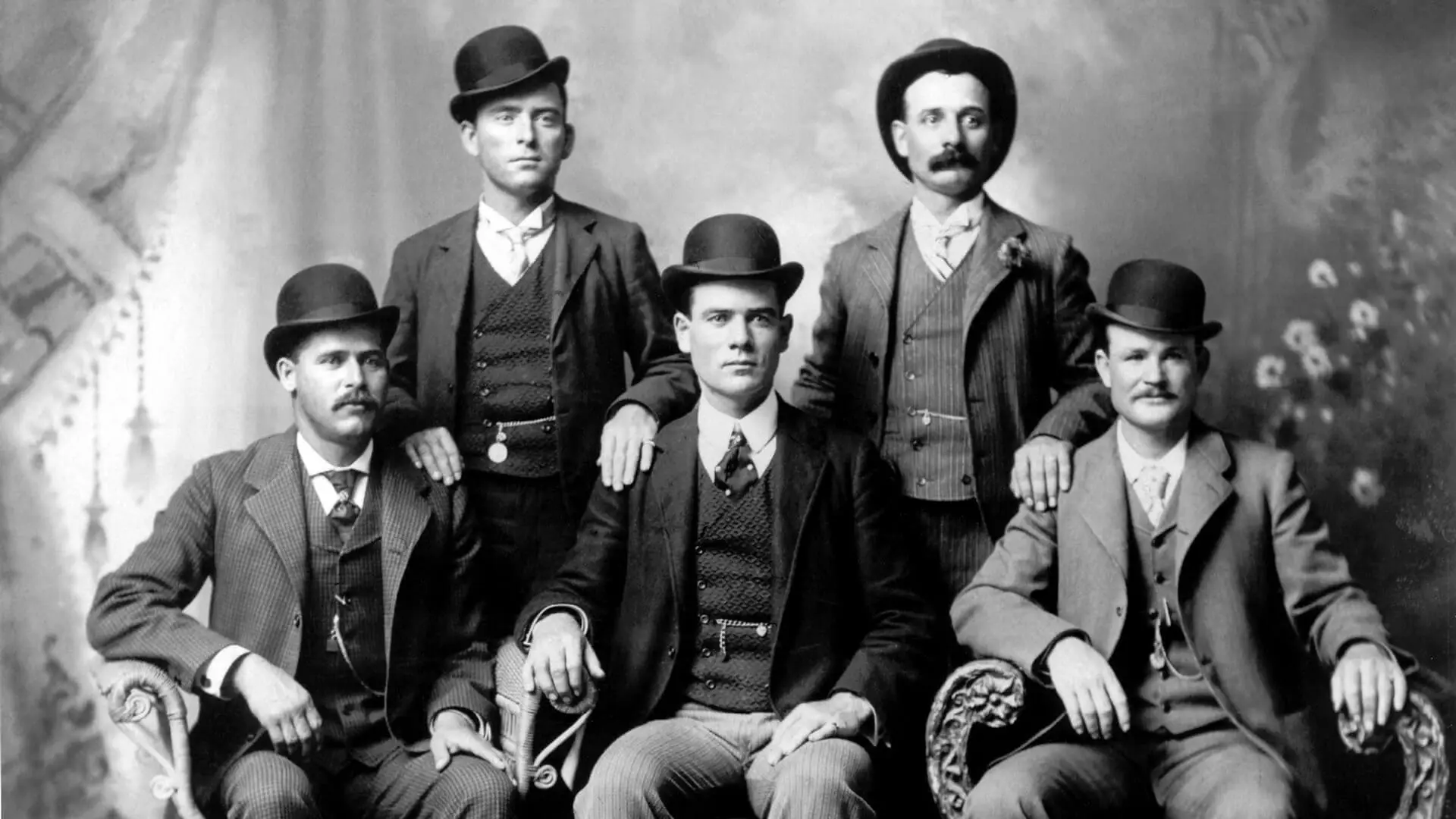
In 1909, he was murdered on the property by American outlaws believed to have been connected to Butch Cassidy’s gang. The attack became one of the defining stories of Arroyo Pescado and a reminder of how remote, unpredictable and dangerous this land once was.
But the story of the estancia did not end with his death. His family remained connected to Arroyo Pescado and continued the life that had begun here. The buildings they constructed, the work they carried out and the customs they preserved became part of the identity of the property.
More than one hundred years later, much of that world can still be encountered across the estancia. The Welsh House, the shearing barn and the matera are not reproductions created for visitors. They are surviving parts of the same story, places built by the people who lived here and preserved by the generations that followed.
The Welsh House
The house where it all began
Built more than a century ago, the Welsh House was home to the family that shaped the early life of Arroyo Pescado.
Its walls, furniture, photographs and everyday objects preserve a personal record of what it meant to create a home in this remote part of Patagonia. Rather than presenting history through dates alone, the house allows guests to see it in the rooms, materials and details that were part of daily life.
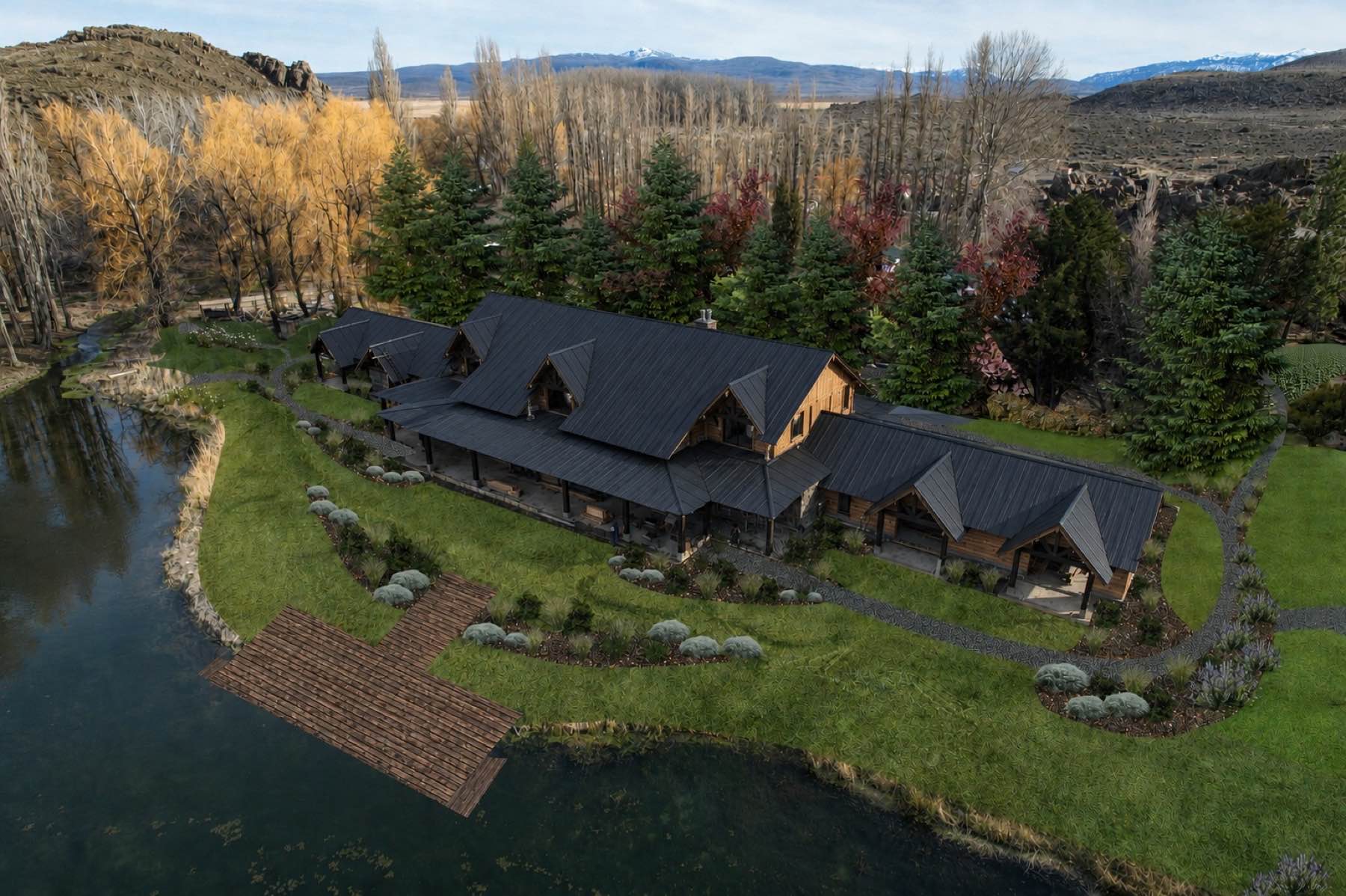
Guests now stay at the new lodge, while the Welsh House remains as one of the most important witnesses to the estancia’s past.
The Shearing Barn
Built for shearing. Kept for sharing.
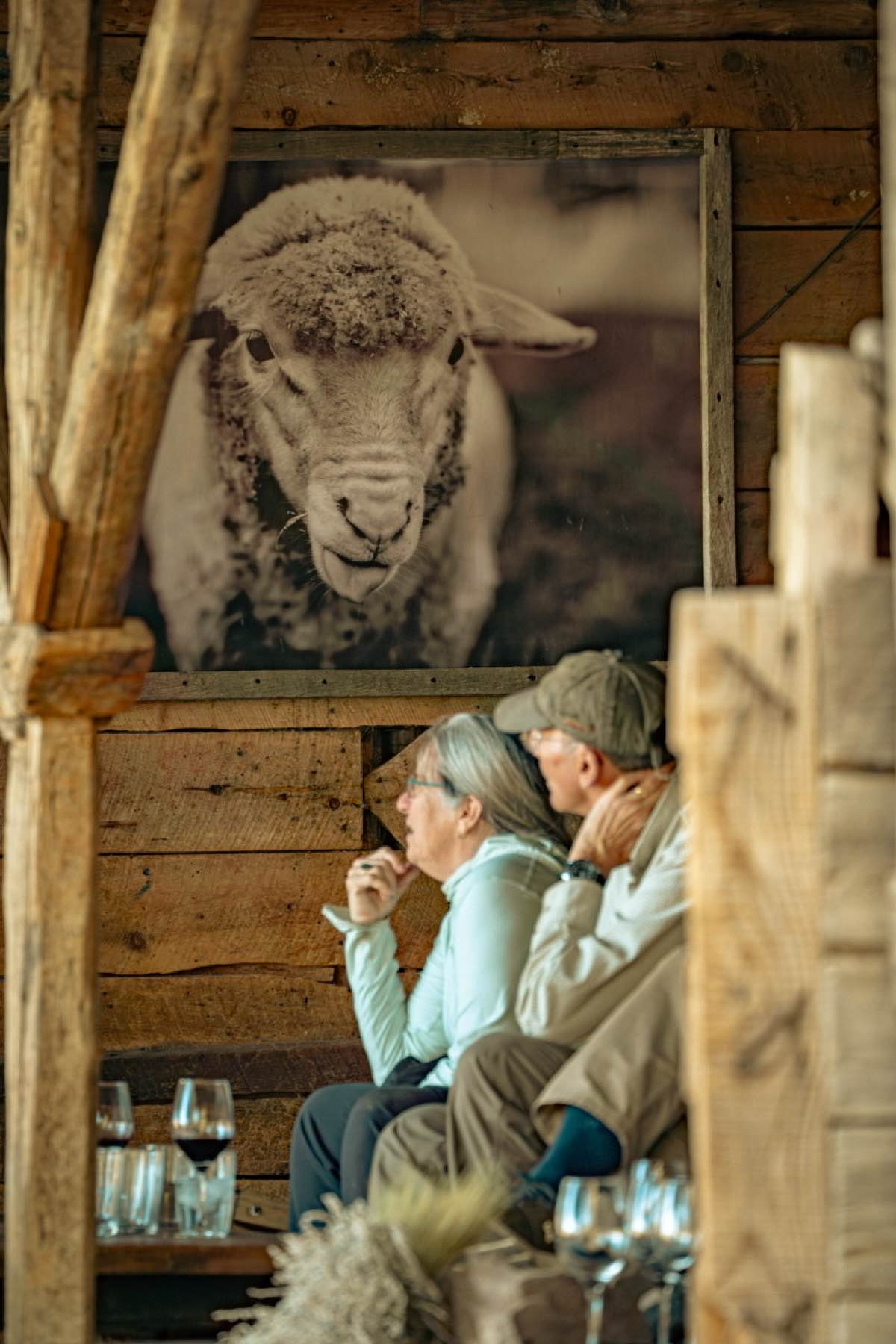
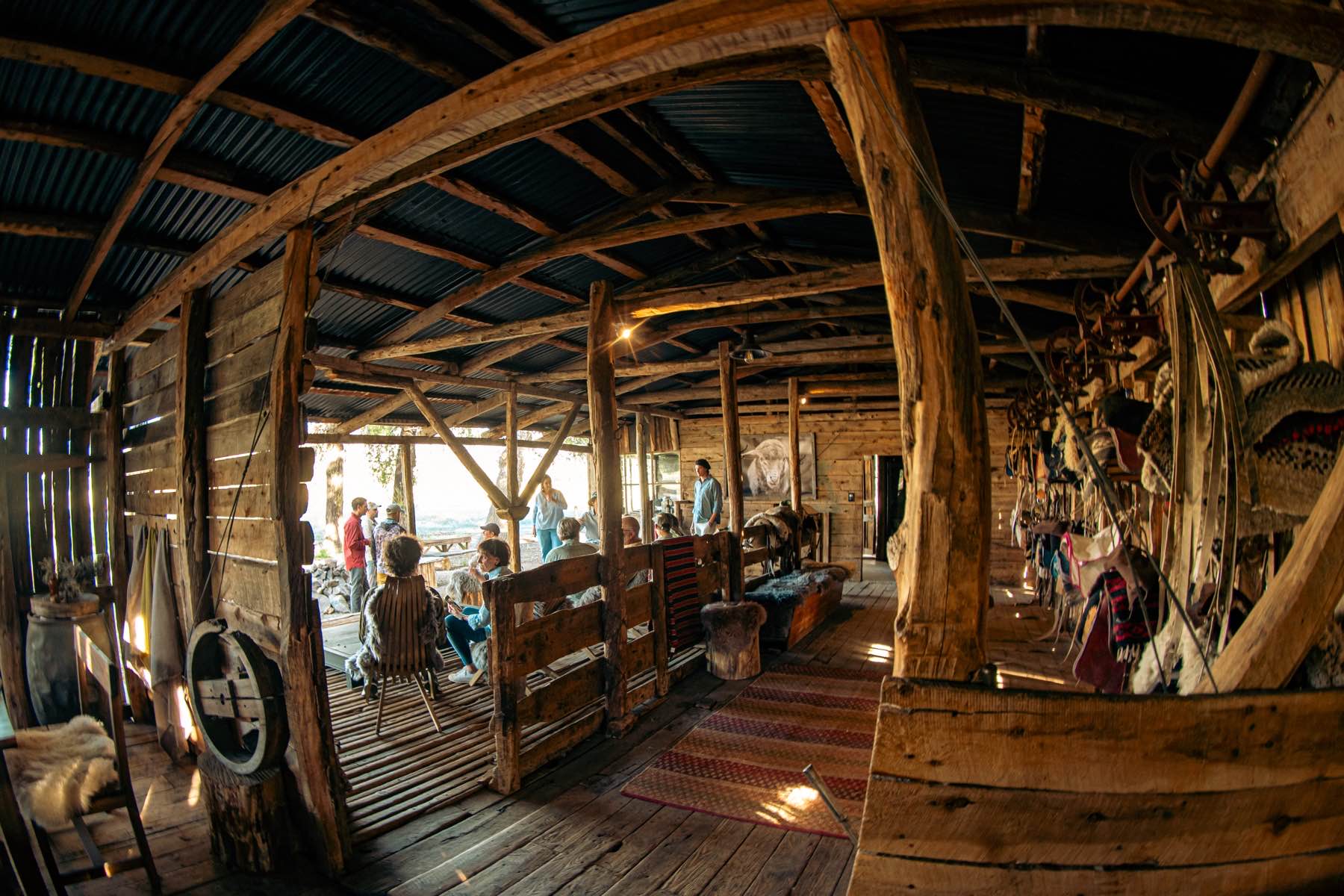
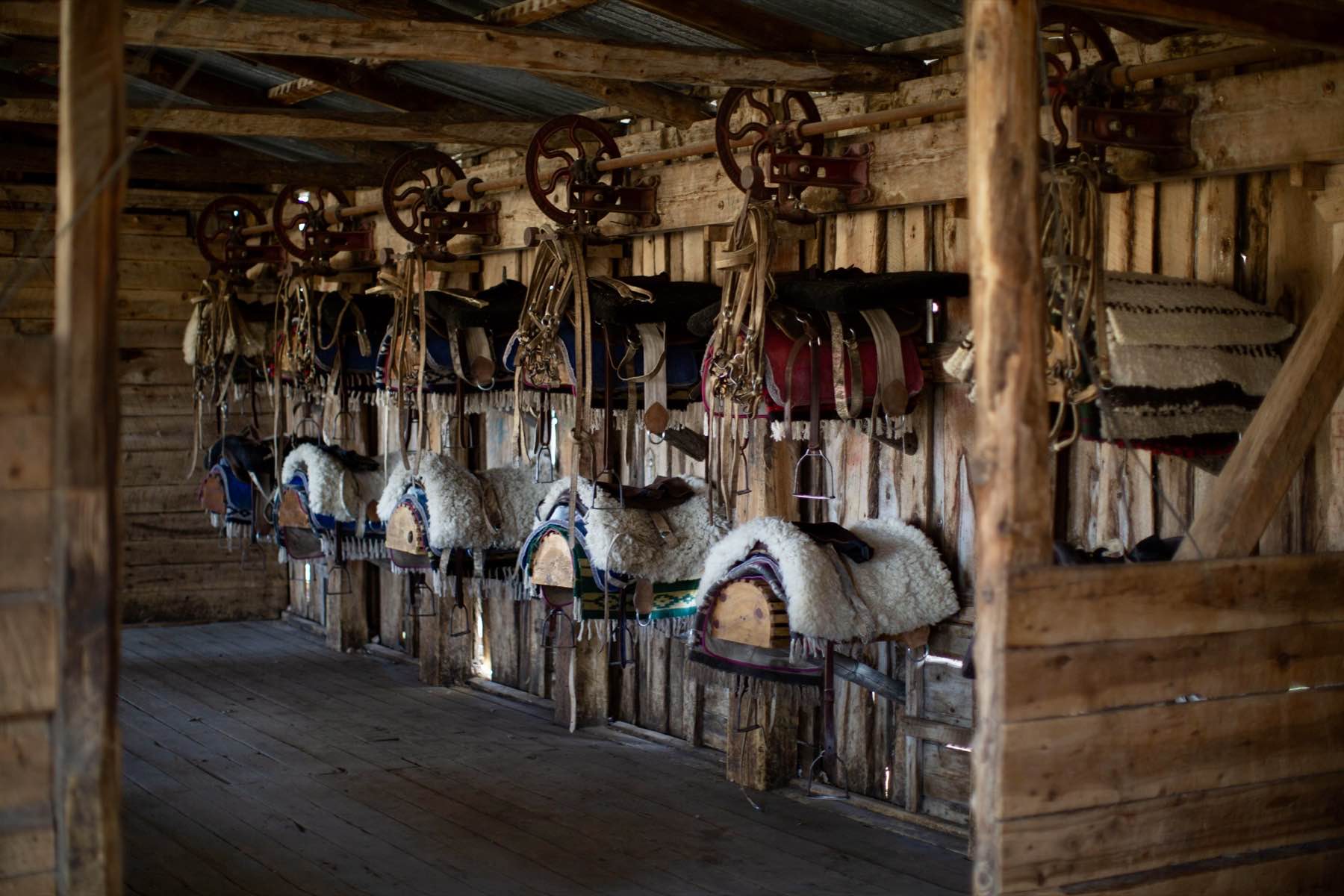
The shearing barn belongs to the working history of Arroyo Pescado.
For generations, sheep, wool and seasonal labour formed an essential part of life on the estancia. During shearing, the building became a place of intense activity, bringing people together around one of the most important moments in the rural calendar.
Today, it still carries the traces of that work, while also becoming a place for meals, music, conversation and gatherings. Its purpose has evolved, but its role as a place that brings people together has remained.
The Matera
Where every mate comes with a story
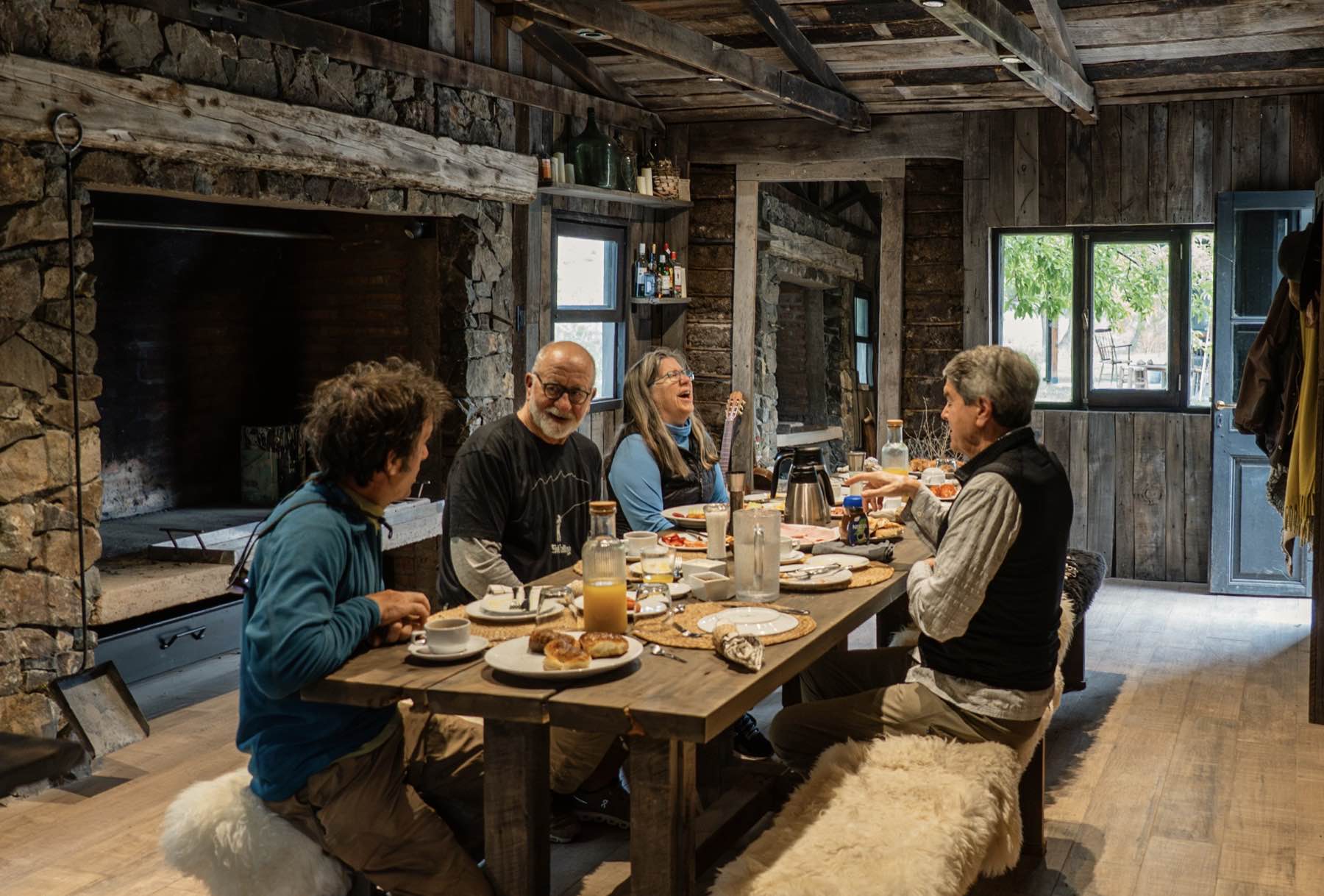
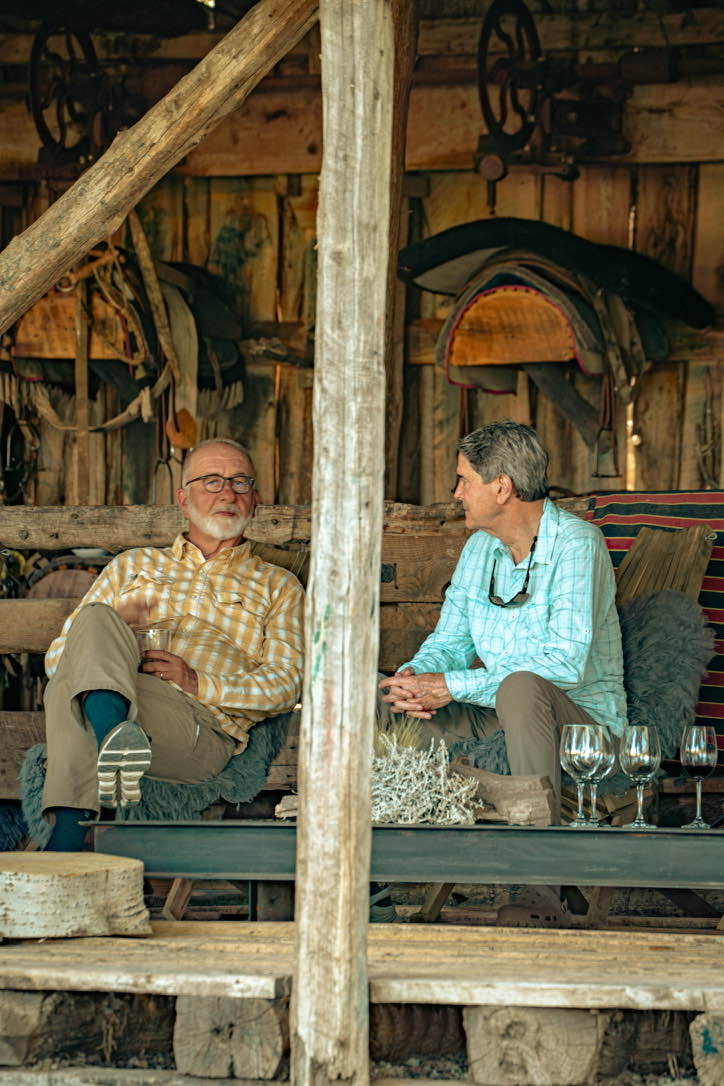
For more than a hundred years, the matera has been one of the most authentic social spaces at Arroyo Pescado.
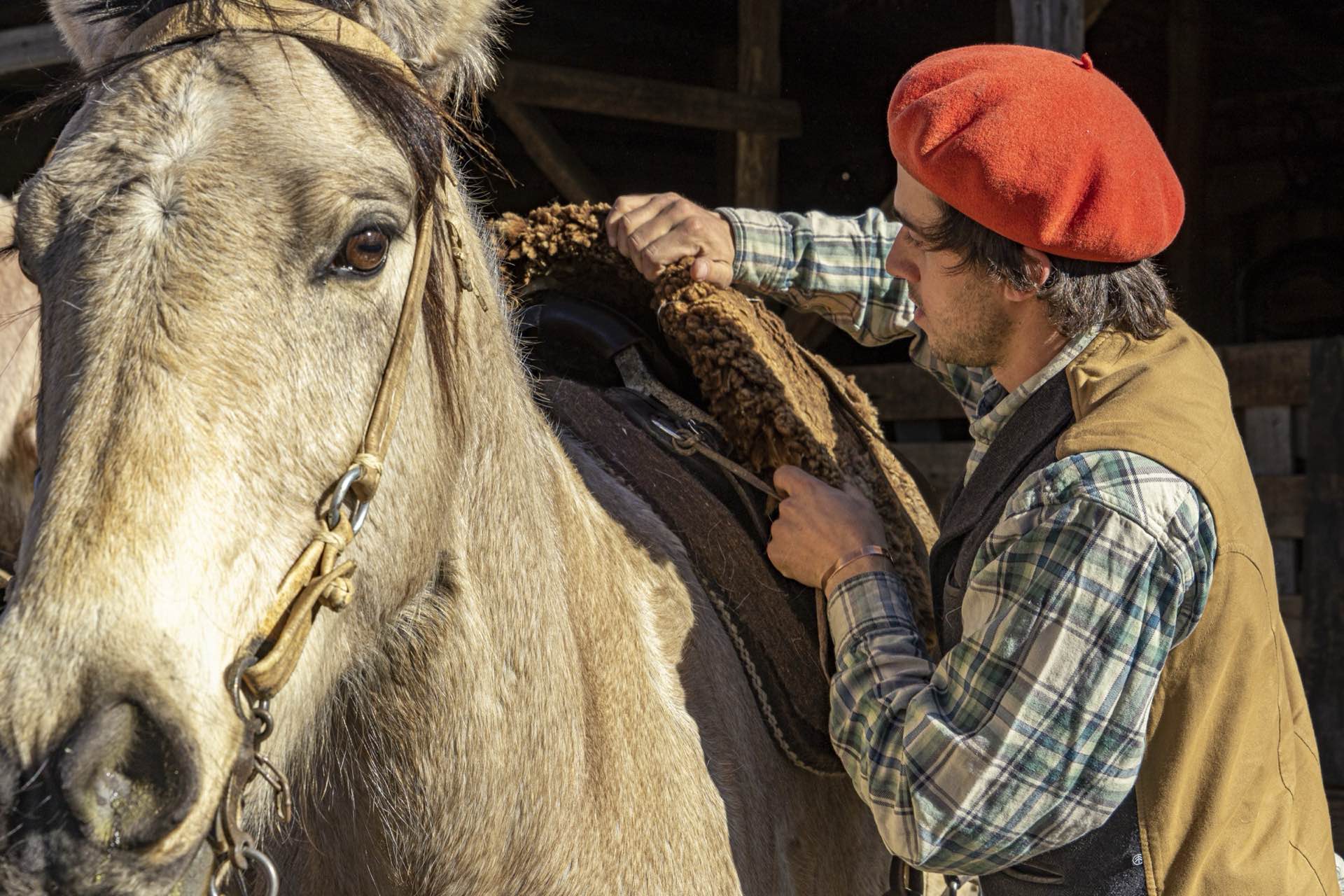
It is where gauchos and workers gather around the fire, prepare mate, eat and talk before or after the day’s work. Simple, practical and warm, it expresses a part of estancia culture that cannot be recreated through decoration alone.
For guests, entering the matera is an invitation to experience Arroyo Pescado from inside its everyday life. It is not a staged activity. It is a place to sit, listen and share time with the people whose knowledge and traditions continue to shape the estancia.




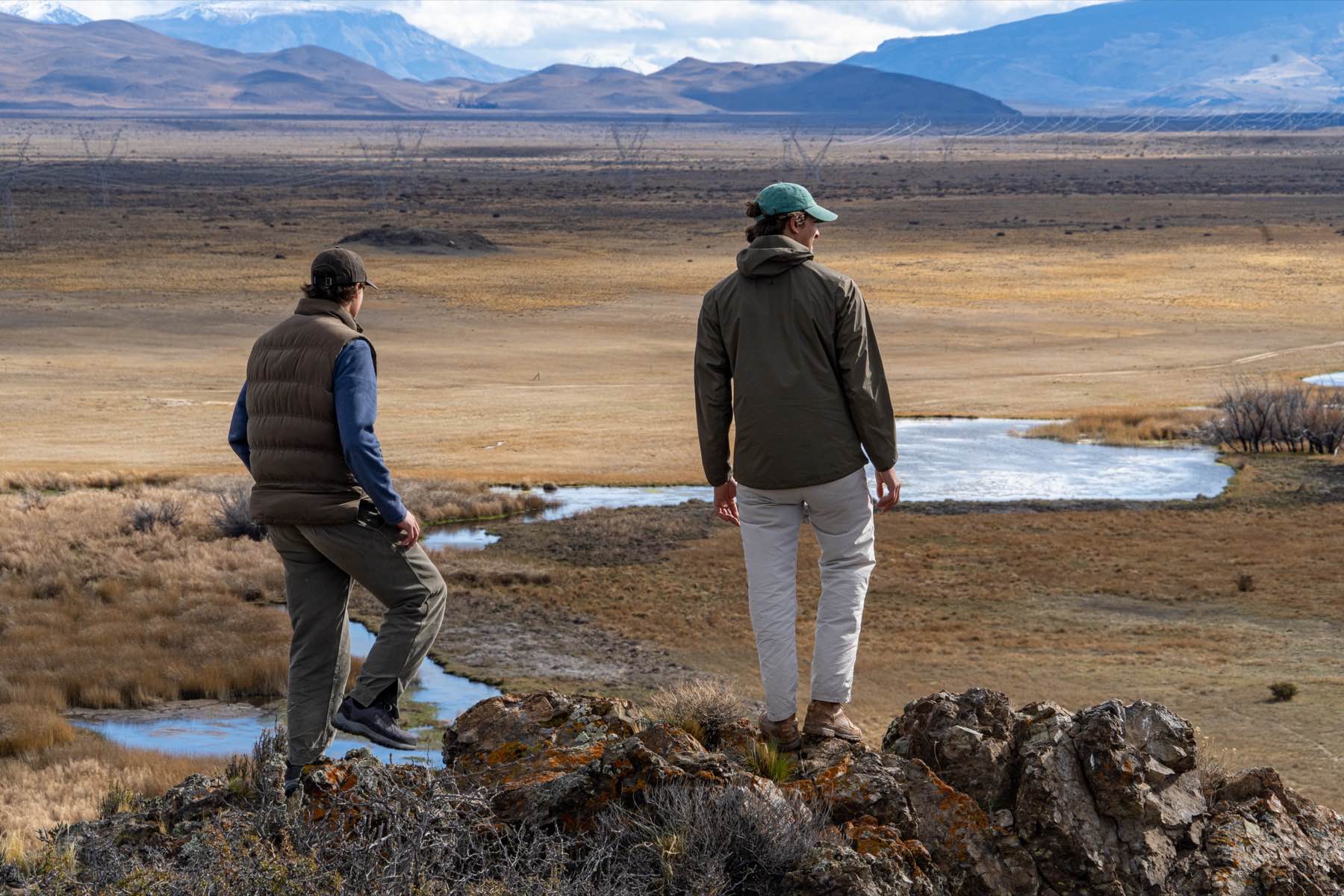
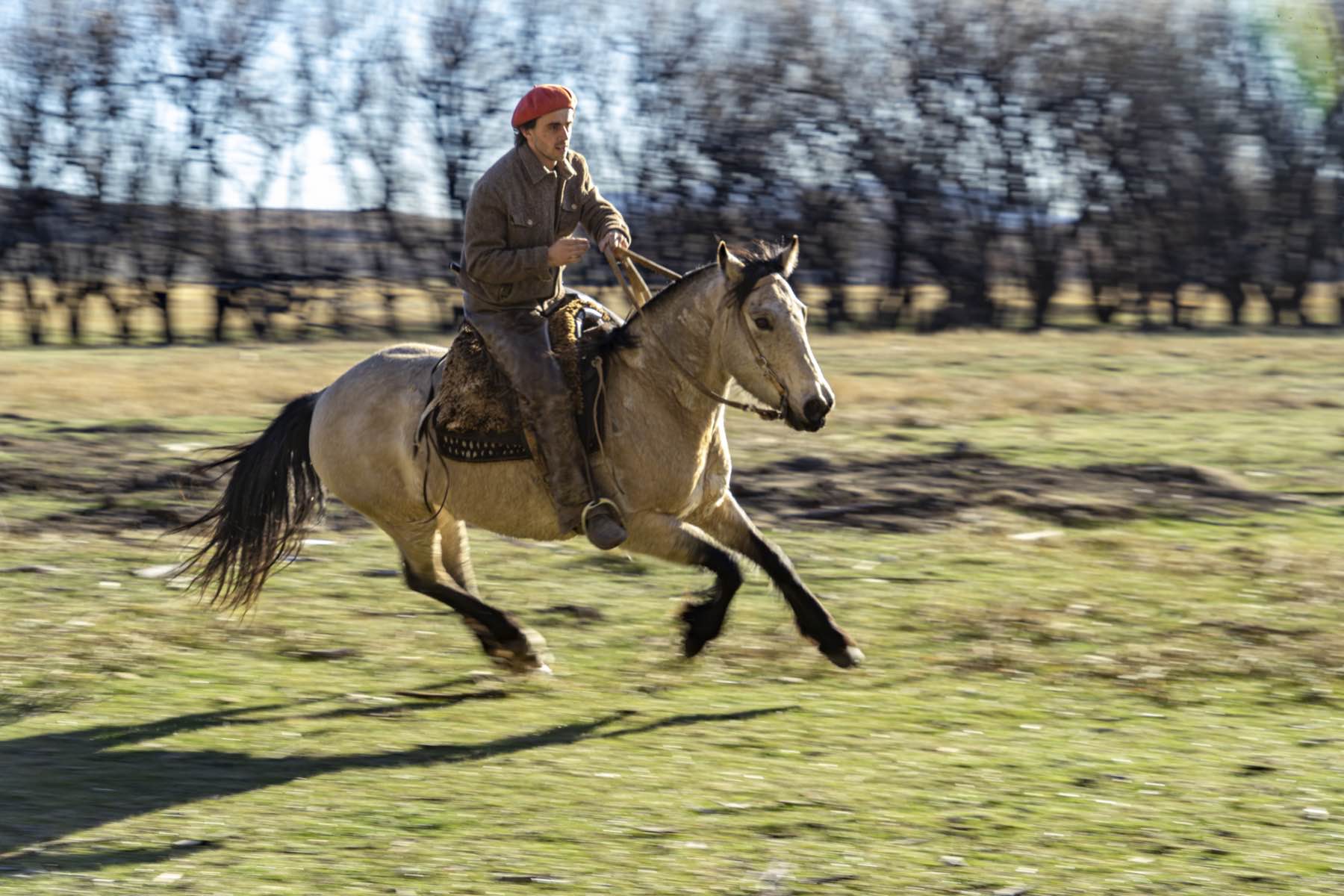
 Across the estancia